أيلة تعزز مكانتها البيئية بتسجيل 108 أنواع من الطيور خلال 2025
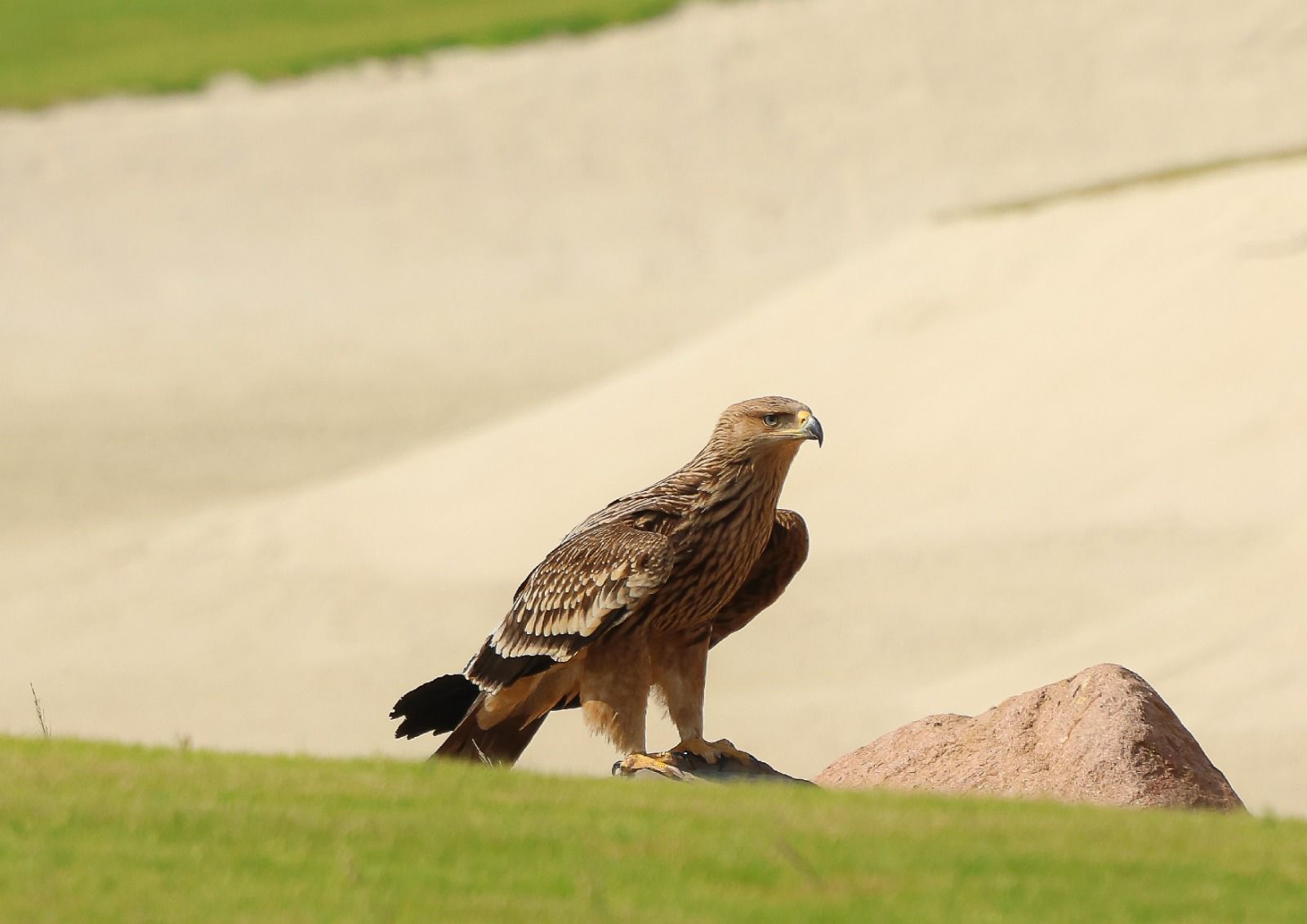
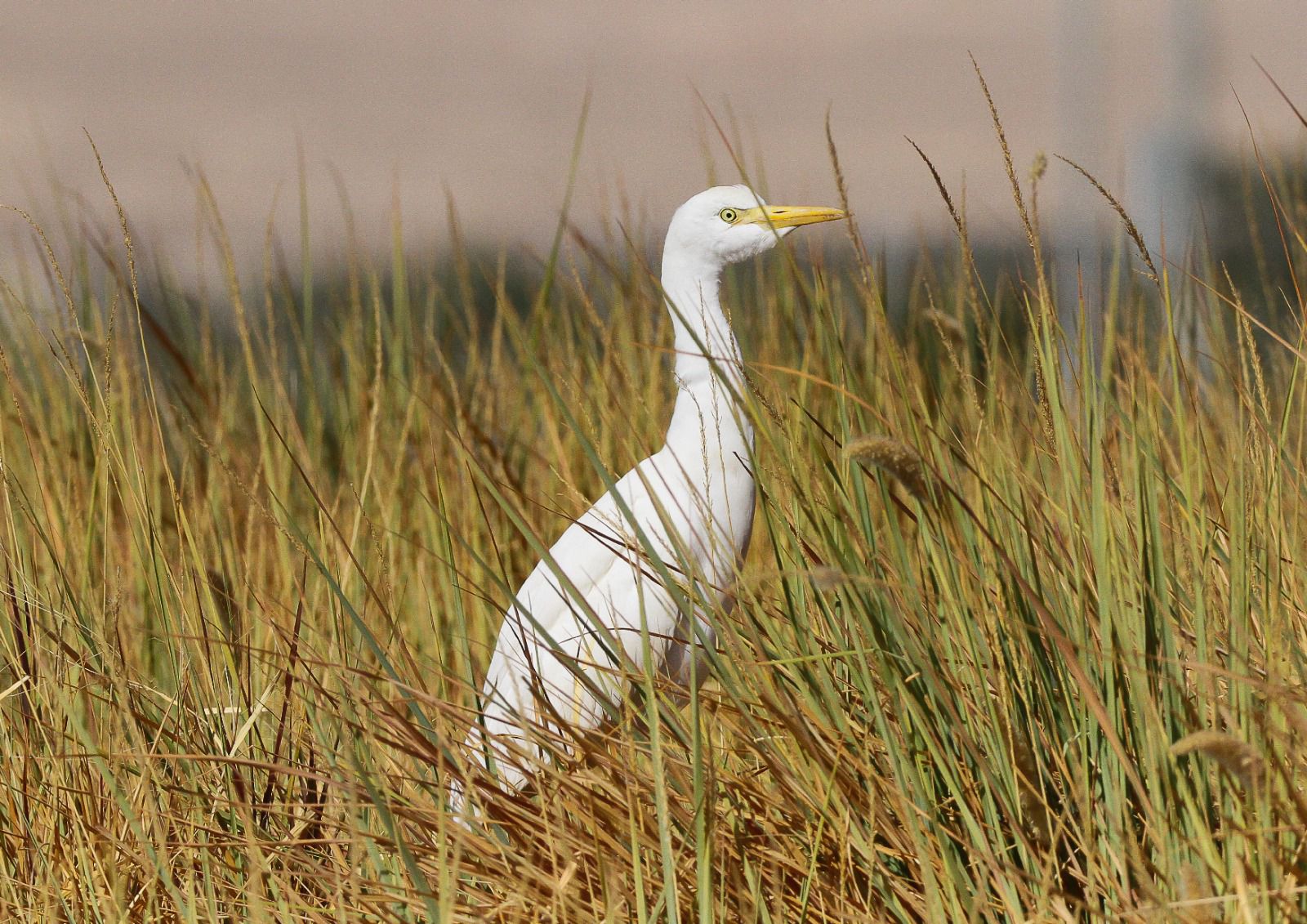
وكالة الناس -كشفت نتائج تقرير مراقبة الطيور لعام 2025 في واحة أيلة عن تسجيل 108 أنواع من الطيور خلال موسمي الهجرة الربيعية والخريفية، في مؤشر يعكس الأهمية البيئية المتنامية للمنطقة كمحطة رئيسية للطيور المهاجرة على أحد أبرز مسارات الهجرة العالمية بين آسيا وأفريقيا.
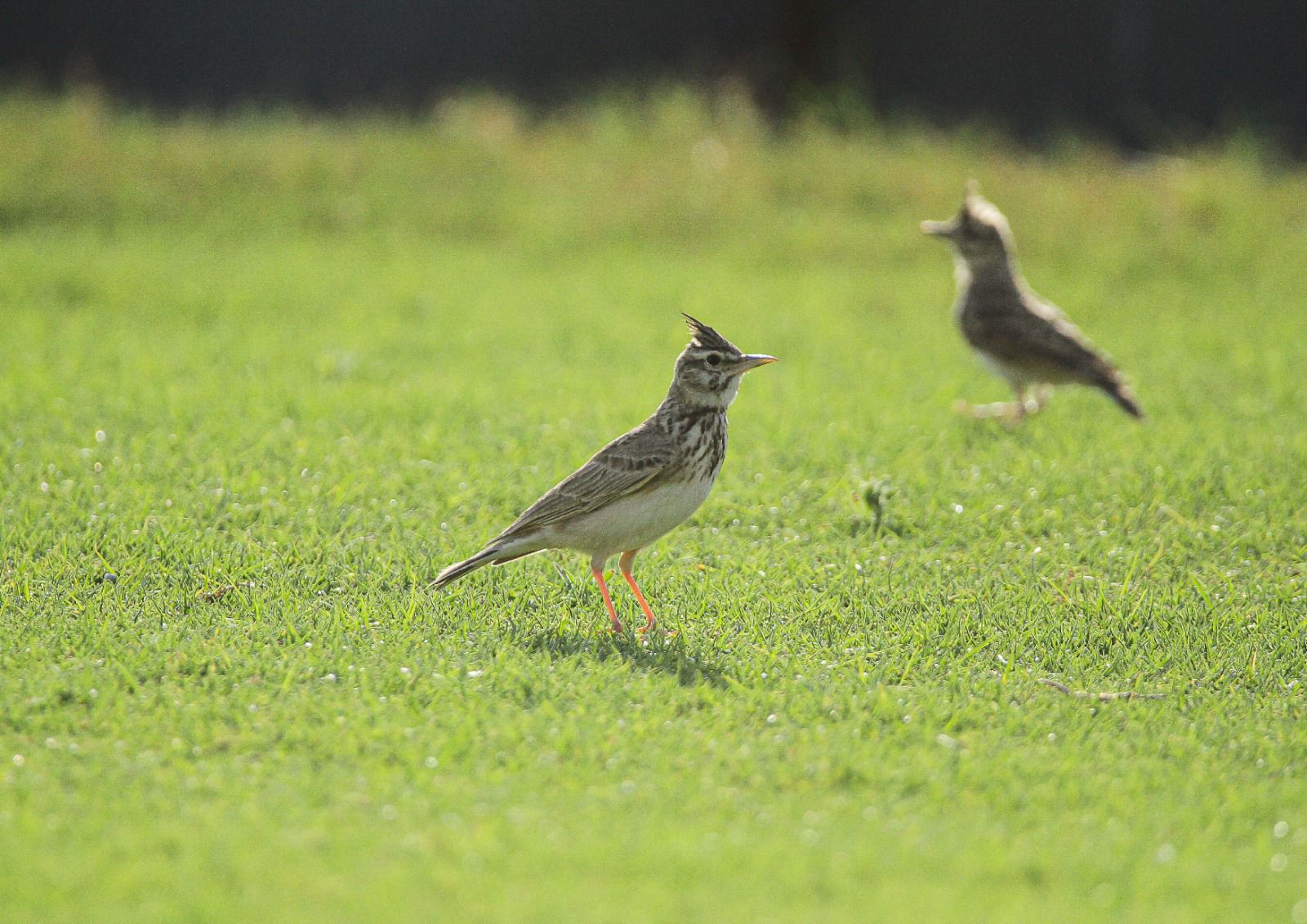
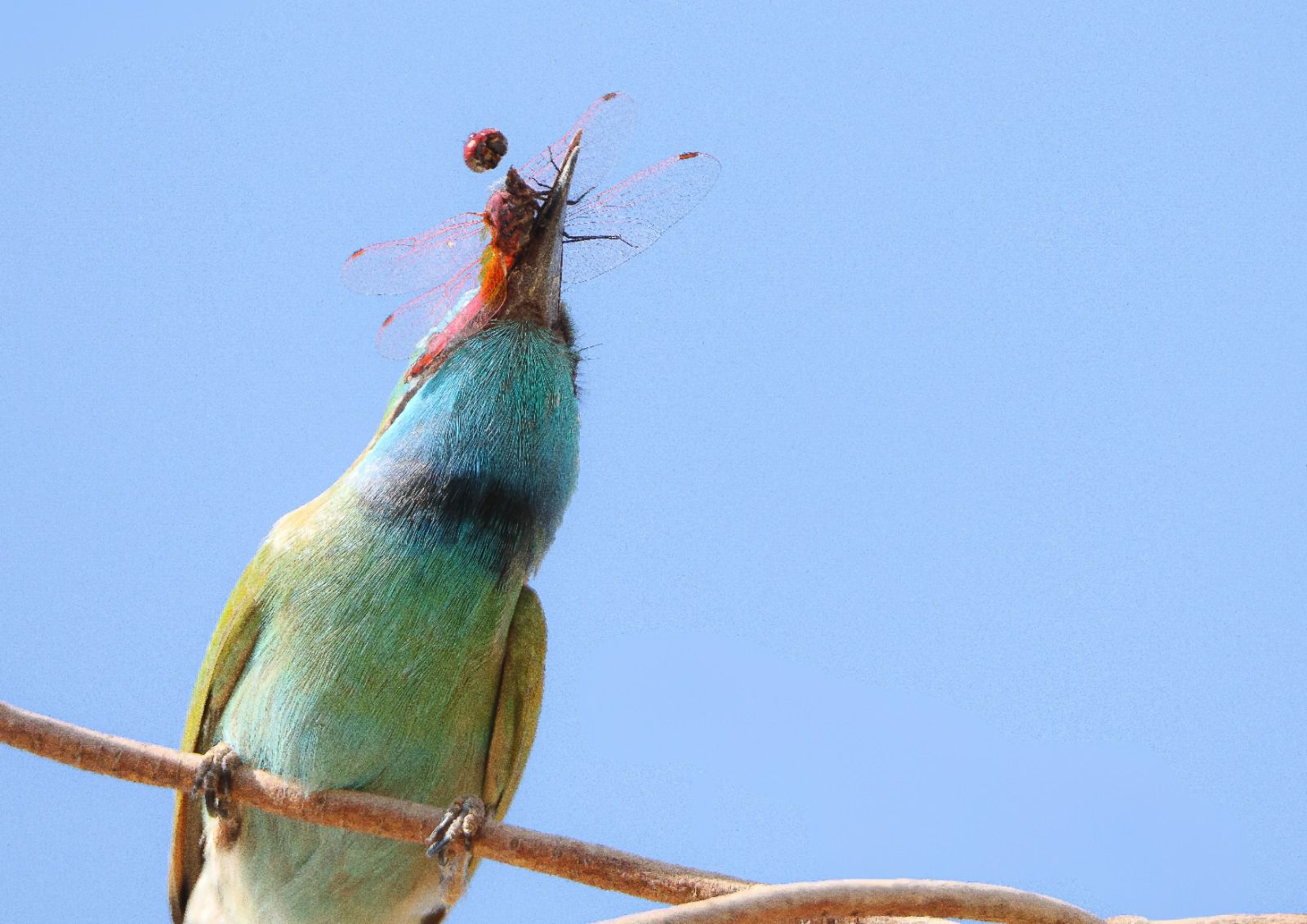
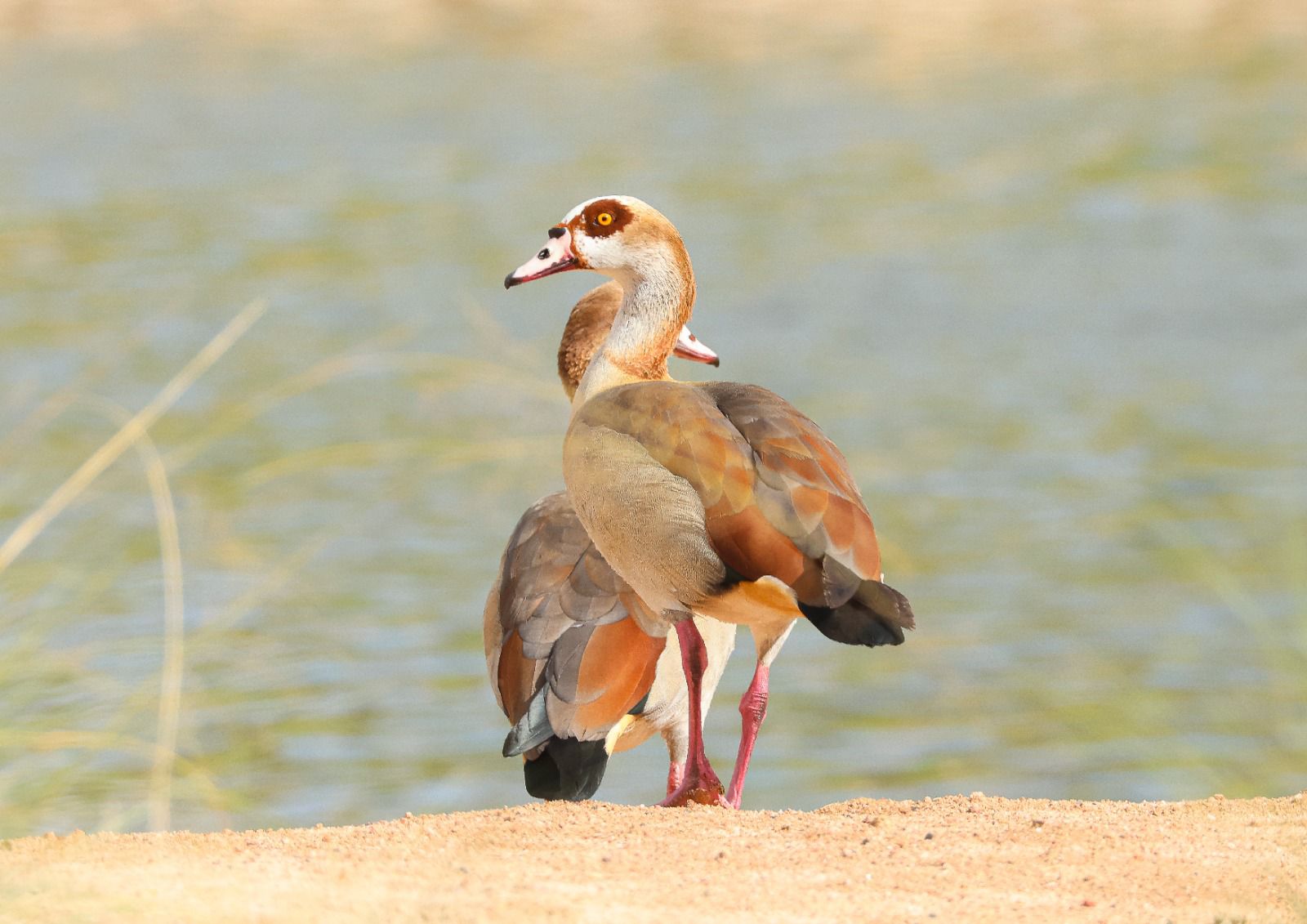
وبيّن التقرير، الذي أعدّه مرصد طيور العقبة، أن من بين الأنواع المسجلة 14 نوعًا تتواجد على مدار العام، و57 نوعًا تُشاهد بانتظام خلال مواسم الهجرة، إضافة إلى 37 نوعًا أقل شيوعًا يمكن رصدها خلال فترات الذروة، ما يعكس تنوعًا بيئيًا غنيًا يعزز من جاذبية التجربة الطبيعية والسياحية في المنطقة. كما أكد التقرير أن واحة أيلة أصبحت موطنًا لأكثر من 130 نوعًا من الطيور، تمثل ما يقارب ثلث الأنواع المسجلة في الأردن ونحو نصف الأنواع في محافظة العقبة، في دلالة واضحة على نجاح الجهود المبذولة في في إنجاح فكر الاستدامة الساعي لتحقيق التنمية والداعم لحماية التنوع الحيوي. وفي سياق متصل، أظهرت أعمال الرصد المستمرة على مدى أكثر من عقد توثيق نحو 270 نوعًا من الطيور في واحة أيلة ومرصد طيور العقبة، ما يعزز مكانة العقبة كنقطة عبور رئيسية ضمن أحد أهم مسارات الهجرة العالمية، حيث تعبر ملايين الطيور أجواءها سنويًا.
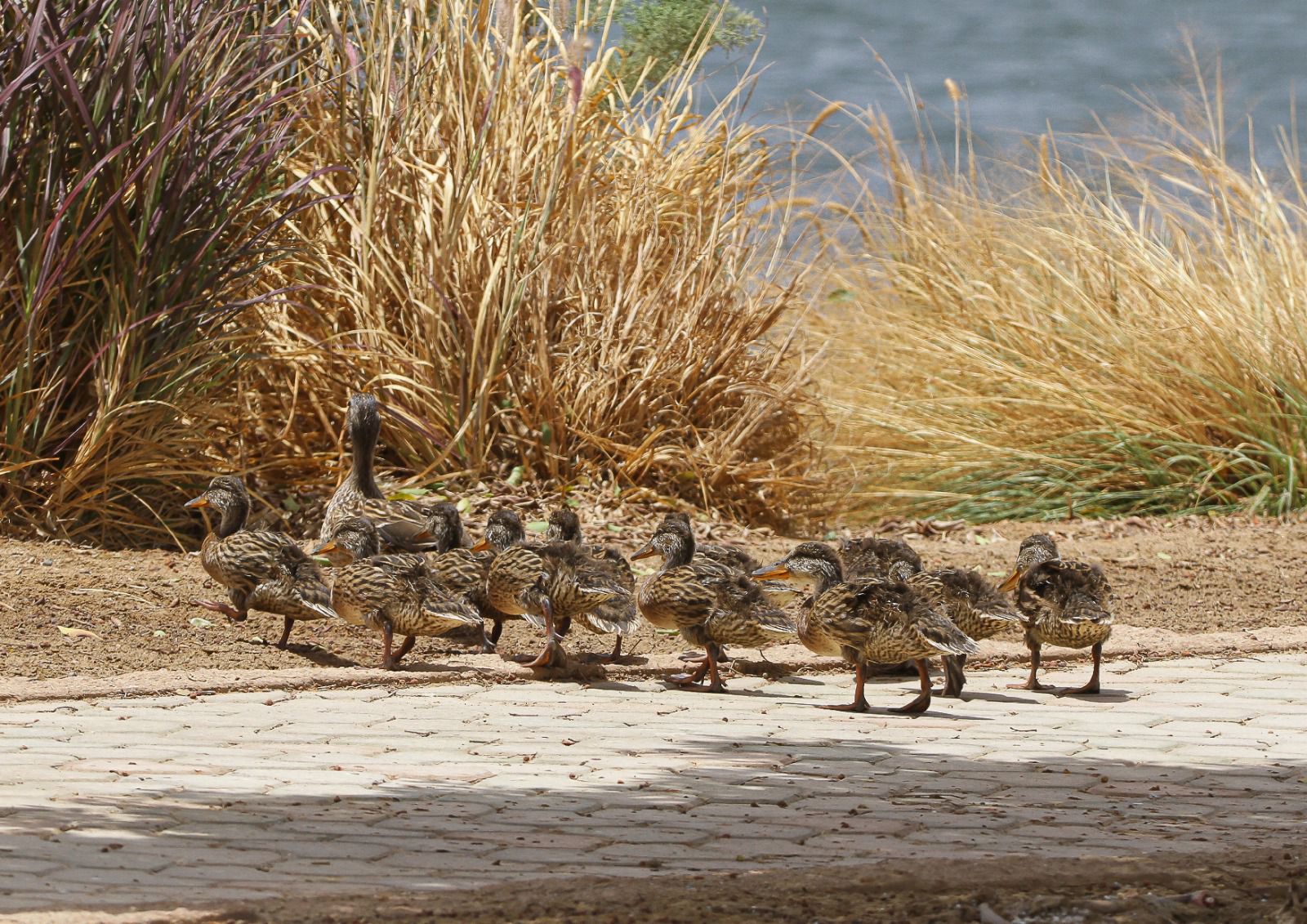
كما أبرز التقرير أهمية الموائل الرطبة، لا سيما الاصطناعية منها، في دعم الطيور المهددة عالميًا، إذ بيّنت البيانات أن نحو 8% من الأنواع المسجلة مصنفة ضمن الفئات المهددة أو القريبة من التهديد، ما يؤكد الدور الحيوي لهذه المواقع في توفير بيئات آمنة للراحة والتغذية خلال رحلات الهجرة الطويلة. وفي السياق ذاته، لفت التقرير إلى تسجيل غالبية أنواع البط المرصودة في الأردن ضمن مشروع أيلة ومرصد طيور العقبة خلال عام 2025، إلى جانب نجاح تسجيل تكاثر بعض الأنواع المهمة، مثل البط الكستنائي في مرصد طيور العقبة، وتكاثر البط الخضيري في واحة أيلة، وهو ما يمثل تحولًا نوعيًا من كون الموقع محطة عبور إلى بيئة داعمة للتكاثر واستدامة الأنواع.
وفي تعليقه على هذه النتائج، قال المهندس سهل دودين، المدير التنفيذي لشركة واحة أيلة للتطوير: “تعكس هذه النتائج التقدم الذي تحققه أيلة في ترسيخ نموذج متكامل للتنمية المستدامة، حيث نعمل على تطوير بيئات طبيعية متوازنة تدعم التنوع الحيوي وتنسجم مع أفضل الممارسات البيئية العالمية. إن استقطاب هذا العدد المتنوع من الطيور، بما في ذلك الأنواع المهددة، يؤكد أن أيلة أصبحت وجهة بيئية حقيقية على خارطة السياحة المستدامة.”
وأضاف: “ننظر إلى هذه الإنجازات كجزء من التزام طويل الأمد لحماية البيئة وتعزيزها، مع الاستمرار في تطوير تجارب نوعية تتيح للزوار التفاعل مع الطبيعة بطريقة مسؤولة ومستدامة.”
من جانبه، قال المهندس فراس رحاحله، مدير مرصد طيور العقبة: “تشير نتائج هذا التقرير إلى الأثر الإيجابي الكبير لتكامل الجهود بين الجهات البيئية والتنموية في العقبة، حيث ساهمت الموائل الرطبة، وخاصة الاصطناعية، في استقطاب أنواع نادرة ومهددة، بل ودعم تكاثرها. هذا التطور يعكس تحول المنطقة إلى نظام بيئي متكامل قادر على دعم دورة حياة الطيور بشكل مستدام ويقوم على تعويض البيئات المتدهورة والهامة للطيور في الطبيعة بشكل عام.”
وأضاف: “إن تطوير مسارات مراقبة الطيور في واحة أيلة، بالتكامل مع مرصد طيور العقبة، يسهم في تعزيز سياحة مراقبة الطيور كأحد الأنماط السياحية المتنامية عالميًا، ويدعم الاقتصاد المحلي، ويعزز مكانة العقبة كوجهة رائدة للسياحة البيئية.”
ويعكس هذا الإنجاز نجاح نموذج الشراكة بين الجهات البيئية والتنموية في دمج الحفاظ على الطبيعة مع التنمية المستدامة، وتحويل المواقع المطوّرة إلى موائل حيوية تدعم التنوع الحيوي وتعزز القيمة البيئية والاقتصادية في آن واحد.
Ayla Oasis Strengthens Its Environmental Standing with the Recording of 108 Bird Species in 2025
The results of the 2025 bird monitoring report in Ayla Oasis revealed the recording of 108 bird species during the spring and autumn migration seasons, underscoring the area’s growing environmental significance as a key stopover for migratory birds along one of the world’s major flyways between Asia and Africa.
The report, prepared by the Aqaba Bird Observatory, indicated that of the recorded species, 14 are resident year-round, 57 are regularly observed during migration seasons, and 37 are less common but can be spotted during peak migration periods. This reflects a rich ecological diversity that enhances the area’s natural and tourism appeal. The report further confirmed that Ayla Oasis has become home to more than 130 bird species, representing nearly one-third of the species recorded in Jordan and approximately half of those found in Aqaba Governorate. This serves as clear evidence of the success of sustainability-driven efforts aimed at achieving development while supporting biodiversity conservation.
In a related context, continuous monitoring efforts over more than a decade have documented around 270 bird species within Ayla Oasis and the Aqaba Bird Observatory, further reinforcing Aqaba’s position as a major transit point along one of the world’s most important migratory routes, through which millions of birds pass annually.
The report also highlighted the importance of wetland habitats, particularly artificial ones, in supporting globally threatened bird species. Data showed that approximately 8% of the recorded species are classified as threatened or near-threatened, emphasizing the critical role these sites play in providing safe resting and feeding environments during long migratory journeys. Additionally, the report noted that the majority of duck species observed in Jordan during 2025 were recorded within Ayla and the Aqaba Bird Observatory. It also documented successful breeding of key species, including the Ferruginous Duck at the observatory and the Mallard at Ayla Oasis, marking a significant shift from the site being merely a transit point to becoming a supportive breeding habitat that contributes to species sustainability.
Commenting on these findings, Eng. Sahl Dudin, Managing Director of Ayla Oasis Development Company, stated: “These results reflect the progress Ayla is making in establishing a fully integrated model for sustainable development. We are committed to creating balanced natural environments that support biodiversity and align with global environmental best practices. Attracting such a diverse range of bird species, including threatened ones, confirms that Ayla has become a genuine eco-tourism destination on the map of sustainable tourism.”
He added: “We view these achievements as part of a long-term commitment to environmental protection and enhancement, while continuing to develop high-quality experiences that allow visitors to engage with nature in a responsible and sustainable manner.”
For his part, Engineer Firas Rahahleh, Director of the Aqaba Bird Observatory, said: “The findings of this report highlight the significant positive impact of integrated efforts between environmental and development entities in Aqaba. Wetland habitats, particularly artificial ones, have played a key role in attracting rare and threatened species and even supporting their breeding. This development reflects the transformation of the area into a fully integrated ecosystem capable of sustainably supporting bird life cycles, while compensating for degraded natural habitats.”
He added: “The development of birdwatching trails in Ayla Oasis, in integration with the Aqaba Bird Observatory, contributes to the growth of birdwatching tourism as a globally expanding niche. It also supports the local economy and strengthens Aqaba’s position as a leading eco-tourism destination.”
This achievement reflects the success of a partnership model between environmental and development stakeholders in integrating nature conservation with sustainable development, transforming developed sites into vital habitats that support biodiversity while enhancing both environmental and economic value.